An evening can feel seasonal without a complicated set or a compulsory performance. Plan the arrival, an optional activity and time to sit together. The example below is a small indoor gathering; change it for your space and guests. No attendance, cost saving or successful real event is claimed.
Write an invitation that answers practical questions
We are having a small Halloween evening on [date], from [start] to [finish], at [place shared privately]. Costumes are optional. There will be [food plan] and one short drawing game; watching is welcome too. Please reply by [date] and contact me privately about any access or food questions.
Use the description that is true. If there will be loud sounds, flashing effects or surprises, say so before people accept. A costume option should remain an option when somebody arrives without one. Keep the host's address out of a publicly shared image.
Use a running order with spare time
| Time in a fictional 90-minute plan | What happens | Prepare before guests arrive |
|---|---|---|
| 0–20 minutes | Arrive, put away coats, get food | Clear landing place and a simple food explanation |
| 20–35 minutes | Optional drawing or story round | Paper, suitable pens and a one-sentence rule |
| 35–75 minutes | Conversation and open time | Seats and a place to put drinks |
| 75–90 minutes | Wind down and leave | Clear route to belongings and the door |
These are planning intervals, not a schedule to enforce on guests. If people prefer talking, skip the game. If the food needs the host's constant attention during arrival, simplify it rather than add another activity to fill the gap.
A game with a complete rule
Each willing participant draws a friendly ghost doing an ordinary job in one minute: returning a library book, trying to close a suitcase or waiting for a bus. People can suggest a job, draw, watch or pass. Share drawings only with permission. You need no scoring, elimination or joke about somebody in the room.
Try a practice drawing yourself before including the game. The point is to check whether the instruction is understandable and the materials are suitable, not to claim a tested entertainment format. Leave out physical challenges, food dares and activities that send people into private areas.
Give the room one visual idea
Repeat a simple shape, such as a hand-drawn ghost or paper moon, in two or three places. Keep practical directions readable. A letter board can say “A little spooky, mostly snacks” or “No tricks required. Company welcome.” Put the actual food and bathroom information somewhere clear rather than hide it inside a joke.
Use lighting and decorations according to their instructions, and keep routes and exits clear. US Fire Administration holiday guidance recommends considering battery-operated flameless candles. Paper and fabric decorations do not belong near an ignition source. The source informs that fire-safety point; it does not certify a particular room or party plan.
Walk the evening before it starts
Follow the route a guest will take: entrance, coats, food, seat, bathroom and exit. Can you carry a drink along it without moving decorations? Can somebody opt out of the game and still have a comfortable place? Make the small changes now. A good final task is to stop adding props and leave the host time to join the gathering.
The worked record at a glance

Read the worked record as text
- Arrival
- 20 min
- Optional activity
- 15 min
- Open time and goodbye
- 40 min + 15 min = 90 min total
Source and scope
US Fire Administration: holiday fire safety. Checked 14 October 2026; used for the specific safety point in this guide. The numerical and household examples are fictional planning examples.
Three quiet games with a real stopping rule
Choose one activity, not a compulsory programme. These original formats work without darkness, food challenges, touching people or guessing personal secrets. Offer a watching role and leave a clear route through the room. The timings are planning choices, not tested audience results.
- Before guests arrive, prepare paper, pencils and a flat table. Keep exits and walking routes clear. Use battery-operated lights rather than a flame near paper decorations, and tell guests that passing is welcome.
- Object museum: give each volunteer one ordinary object and two minutes to invent a one-sentence museum label. Read labels without naming their writers; participants may reveal their object or pass. Stop after one round, with no vote on a person’s effort.
- Two-word radio: volunteers contribute one ordinary word each on paper. Draw two words and allow one minute to draft a fictional ten-second radio announcement using both. Read only willing contributions; do not record guests. End after three announcements or five minutes.
- Story relay on paper: start with “At the door was a tiny umbrella.” Each willing player adds one sentence, with a maximum of six sentences total. No real names or personal disclosures. Read the result once, then let conversation resume.
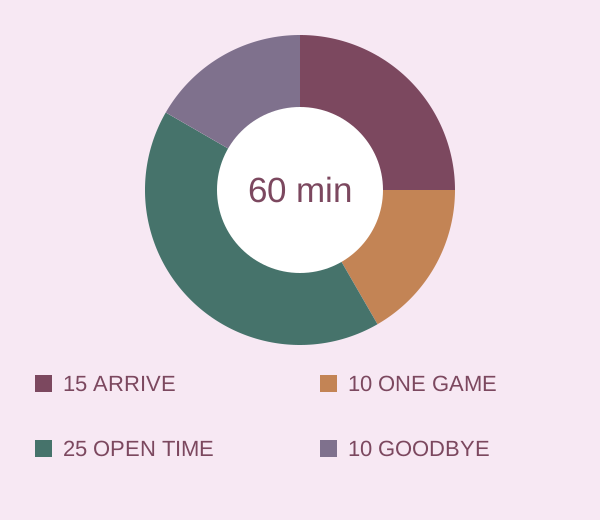
| Field | Example or check |
|---|---|
| A manageable 60-minute plan | Arrival and choice 15 min; one game up to 10 min; open conversation 25 min; unhurried goodbye 10 min. Total 60 min. |
| Opt-in invitation | “We may try a short paper game. You are equally welcome to watch, chat elsewhere or skip it.” |
| Supplies and reset | Six paper slips, spare pencils and one tray. Collect materials after the round; the host joins the group instead of running continuous stations. |
| If someone is uncomfortable | Stop the turn without asking for a public explanation. Offer the observing role; do not turn opting out into a forfeit. |
| Host card | Chosen game __; start/stop __; quiet option __; clear route __; lighting __; person who closes the round __. |
Avoid prizes that reward embarrassment or endurance. Ask about access needs privately before the gathering; these games do not guarantee that every room or activity suits every guest.